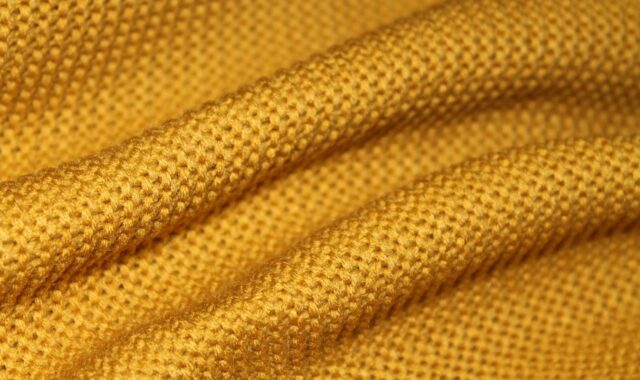
How to choose fabrics for couches that fit daily use
a[data-rs-seo-link]{text-decoration:underline!important;color:#1a56db!important;cursor:pointer!important;}a[data-rs-seo-link]{text-decoration:underline!important;color:#1a56db!important;cursor:pointer!important;}
What matters most when choosing fabrics for couches
The right fabric for a couch depends on how the sofa will be used day to day. A formal living room may place more value on texture, color depth, and a refined hand feel. A family room, rental property, or pet-friendly space usually needs stronger abrasion resistance, easier cleaning, tighter construction, and better resistance to snagging or pilling. Before comparing fabric names, start with four practical questions: Who uses the couch, how often is it used, what spills or wear are likely, and how much maintenance is realistic?
For most buyers, the safest comparison looks at fiber content, weave, backing, cleaning code, stain treatment, and real-world comfort together. Performance polyester, microfiber, olefin blends, and tightly woven synthetic or synthetic-natural blends often suit busy homes. Linen, cotton, velvet, chenille, and wool blends can also work well, but their performance varies widely by construction and finish. You can also explore more in Buying Guides.
If you are comparing multiple home improvement materials, visit our buying guides for more practical selection frameworks.
Common couch fabric types and where they fit best
Upholstery fabric names can be confusing because some describe fibers, while others describe texture or weave. Polyester is a fiber, velvet is a pile construction, and chenille is usually a yarn or fabric style with a soft, fuzzy surface. A polyester velvet and a cotton velvet may look similar on a sample board, but they can perform very differently in daily use.
| Fabric type | Typical strengths | Common limitations | Best fit |
|---|---|---|---|
| Polyester and polyester blends | Good durability, broad color range, often easier to clean than natural fibers | Can retain heat, may show oil-based marks, quality varies by weave | Family rooms, apartments, everyday seating |
| Microfiber | Soft hand feel, tight surface, often resists minor spills and pet hair better than loose weaves | Can show pressure marks or water rings if cleaned unevenly | Pet-friendly and kid-friendly spaces |
| Cotton and cotton blends | Breathable, natural feel, comfortable in many climates | Can wrinkle, stain, fade, or absorb moisture more easily | Casual rooms with moderate use |
| Linen and linen blends | Crisp texture, relaxed luxury, breathable | Wrinkles easily and may soil more visibly in high-use areas | Adult spaces, slipcovered sofas, coastal or natural interiors |
| Velvet | Rich color, soft surface, visual depth | Pile can crush or mark; performance depends heavily on fiber and density | Statement couches, formal rooms, selected performance versions for daily use |
| Chenille | Soft, cozy, textured appearance | Can snag or flatten if loosely made | Comfort-focused rooms with moderate wear |
| Wool and wool blends | Resilient, warm, naturally textured | Can be expensive and may require more careful cleaning | Higher-end interiors and cooler climates |
| Olefin or polypropylene | Often resistant to moisture and fading; useful in performance blends | Can be heat sensitive and may not feel as luxurious as premium natural fibers | Casual, high-traffic, or indoor-outdoor inspired seating |
Use this table as a starting point, not a final verdict. A tightly woven cotton-polyester blend may outperform a loosely woven synthetic fabric. A premium performance velvet may be easier to maintain than a delicate natural-fiber velvet. Construction matters as much as the fiber label.
Durability is more than one abrasion number
Many couch shoppers look first at abrasion ratings, commonly reported through Wyzenbeek double rubs or Martindale cycles. These tests are useful because they show how a fabric performs under controlled rubbing conditions. They do not measure every kind of household damage. Snagging, seam stress, sunlight exposure, dye transfer, pilling, cushion compression, and cleaning mistakes can still affect how a sofa looks over time.
When reviewing fabric specifications, consider these indicators together:
- Abrasion rating: Helpful for estimating wear resistance, especially for frequently used seating.
- Pilling resistance: Important for fabrics with soft yarns, brushed surfaces, or blended fibers.
- Seam slippage: Relevant for cushions, arms, and areas under tension.
- Colorfastness: Important if the couch sits near windows or is exposed to strong sunlight.
- Cleaning code: Tells you whether the fabric is designed for water-based cleaning, solvent-based cleaning, either method, or vacuum-only care.
Do not compare Martindale and Wyzenbeek numbers as if they are interchangeable. They use different test methods, so a simple one-to-one conversion is not reliable. Compare fabrics tested by the same method, then review the rest of the specification sheet.
How to match fabric to household use
For homes with kids
Look for tightly woven performance fabrics, microfiber, polyester blends, or slipcovered options that can tolerate routine cleaning. Medium tones, heathered colors, and small-scale textures tend to disguise crumbs, minor stains, and everyday wear better than very pale solids. Removable cushion covers are useful, but only if the care label supports the cleaning method you plan to use.
For homes with pets
Pet-friendly couch fabric should resist snagging, hold up to frequent vacuuming, and avoid loose loops that claws can catch. Microfiber and tightly woven synthetic fabrics are often practical choices. Very loose linen weaves, open bouclé textures, and delicate chenille may look appealing, but they can be more vulnerable to pulled threads. If shedding is a concern, compare hair visibility on fabric swatches before ordering; color contrast often matters more than the fiber itself.
For sunny rooms
Sun exposure can fade upholstery, especially darker or more saturated colors. If the couch will sit near large windows, ask for colorfastness information and consider fade-resistant synthetics, lighter tones, window treatments, or a room layout that reduces direct sunlight. Even durable fabric can age quickly when ultraviolet exposure, heat, and daily abrasion combine.
For humid or warm climates
Breathability and surface feel matter in warm rooms. Linen, cotton, and some blended fabrics can feel cooler than dense synthetic pile fabrics. Natural fibers may also absorb moisture more readily, so cleaning habits and ventilation should be considered. In humid areas, avoid leaving spills or damp cushions untreated.
Texture, color, and pattern affect maintenance
Fabric performance is not only technical. How a couch looks after six months also depends on color, pattern, texture, and pile direction. A smooth, dark solid may show lint, pet hair, and dust. A very light fabric may show denim transfer, coffee, or food stains. A mid-tone textured weave is often more forgiving because it breaks up shadows and small marks.
Patterns can help disguise everyday wear, but large patterns need careful placement on cushions and seams. Small patterns, tweeds, subtle herringbones, and mélange yarns are often easier to live with because they add visual movement without dominating the room. Velvet and other pile fabrics can look lighter or darker depending on how the nap is brushed. That variation is normal, but it may not suit buyers who want a perfectly uniform surface.
Before choosing a color, test a swatch in the actual room. View it in morning light, evening light, and under artificial lighting. Upholstery fabric can shift noticeably depending on light temperature and surrounding materials such as flooring, wall color, and curtains.
Cleaning codes and stain resistance should shape the purchase
One of the most important buying steps is checking the cleaning code before committing to a sofa. A beautiful fabric can become a poor fit if it requires care that does not match the household. Common upholstery codes include water-based cleaning, solvent-based cleaning, either water or solvent, and vacuum-only care. Always follow the manufacturer’s care label for the finished sofa, because fabric treatments, cushion materials, and construction can affect cleaning instructions. See also: Building Materials.
Stain-resistant or performance finishes can improve everyday usability, but they are not a reason to ignore spills. Blotting quickly, avoiding harsh scrubbing, and testing cleaners in an inconspicuous area remain important. Some finishes may change over time with abrasion or repeated cleaning, so ask whether the treatment is built into the fiber, applied to the fabric surface, or added as a separate protection package.
For households that expect frequent spills, a slightly textured performance fabric in a medium tone is often more practical than a pale natural fabric. For buyers who prefer natural fibers, slipcovers may provide a useful compromise because they make maintenance more flexible, provided the fabric and label allow appropriate laundering or professional cleaning.
Natural, synthetic, and blended fabrics compared
Natural fibers such as cotton, linen, and wool are valued for comfort, texture, and visual richness. They often feel familiar and breathable, and they can suit interiors that emphasize organic materials. Their trade-offs can include staining, wrinkling, fading, shrinkage risk, or more careful cleaning requirements.
Synthetic fibers such as polyester, nylon, acrylic, and olefin are often chosen for durability, color range, and easier maintenance. They can be engineered into many textures, from smooth woven fabric to velvet-like pile. Their limitations may include heat retention, static, oil attraction, or a less natural hand feel in lower-quality versions.
Blended fabrics aim to balance these traits. A cotton-polyester blend may feel softer and more natural than a fully synthetic fabric while improving durability compared with cotton alone. A wool-nylon blend may add resilience. The key is not only the percentage of each fiber, but also how the yarns are spun, how tightly the fabric is woven, and how the fabric is finished.
A practical checklist before ordering a couch
Use this checklist to reduce the risk of choosing a fabric that looks good online but disappoints in daily life:
- Order swatches and test them in the room where the couch will sit.
- Rub the swatch with a light cloth to check for lint attraction or dye transfer concerns.
- Check the cleaning code and compare it with your normal cleaning habits.
- Ask for abrasion, pilling, and colorfastness information when available.
- Look closely at the weave; tight construction usually performs better than loose, open texture in busy rooms.
- Consider cushion style because tufting, seams, and removable covers affect maintenance.
- Choose medium tones or textured fabrics for high-use rooms if stain visibility is a concern.
- Avoid delicate pile, loose loops, or very pale solids if pets, children, or heavy daily use are expected.
- Confirm whether stain protection is part of the fabric or an added treatment.
- Read the finished sofa warranty and care label, not just the fabric marketing description.
Frequently asked questions
What is the most durable fabric for a couch?
There is no single most durable fabric for every couch. Tightly woven performance polyester, microfiber, nylon blends, and some olefin blends are common choices for high-use seating. The best option should be judged by abrasion data, pilling resistance, weave tightness, cleaning code, and how the household will use the sofa.
Is linen a good fabric for couches?
Linen can be a good couch fabric for buyers who like a relaxed, breathable, natural look. It is less ideal for households that need strong stain resistance, low wrinkling, or heavy-duty pet and child performance. Linen blends and slipcovers can make the material more practical.
Is velvet hard to maintain on a sofa?
Velvet requires more attention than many flat weaves because its pile can show pressure marks, nap direction, and shading. However, performance velvet made with durable synthetic fibers can be much more practical than delicate traditional versions. Buyers should review the cleaning code and test a swatch before ordering.
What couch fabric is best for pets?
Pet owners often do well with microfiber or tightly woven performance fabrics because they reduce snagging and can be easier to vacuum. Avoid loose loops and open weaves if claws are a concern. Color choice also matters because pet hair is more visible when it strongly contrasts with the upholstery.
Should I choose a natural or synthetic couch fabric?
Choose natural fibers if texture, breathability, and a relaxed look are the priority. Choose synthetics or blends if durability, stain resistance, and lower maintenance are more important. Many buyers end up with blends because they offer a practical middle ground between comfort and performance.
Final buying advice
The smartest way to choose fabrics for couches is to match the material to daily behavior, not just to a showroom look. For high-traffic rooms, prioritize tight weaves, practical cleaning codes, abrasion performance, and forgiving colors. For formal spaces, you can place more weight on texture, drape, and visual character. In every case, swatches, care labels, and fabric specifications are more reliable than a fabric name alone.