Faux leather sofa buying guide for material, comfort, and care
a[data-rs-seo-link]{text-decoration:underline!important;color:#1a56db!important;cursor:pointer!important;}a[data-rs-seo-link]{text-decoration:underline!important;color:#1a56db!important;cursor:pointer!important;}
A faux leather sofa can be a sensible choice if you want the appearance of leather without the cost of full-grain or top-grain upholstery. The important point is to evaluate it as a coated upholstery product, not as a budget substitute for real leather. Before choosing one, look at the surface material, backing, frame, foam, seams, warranty language, and care requirements. Faux leather can work well in apartments, family rooms, offices, and dining-adjacent seating where spills are likely. It is less suitable for rooms with strong sun, high heat, heavy pet scratching, or for buyers who expect leather to develop a natural patina. The better buying decision is not simply PU versus PVC; it is the combination of cover material, construction, comfort, safety labeling, and realistic care.
What a faux leather sofa actually is
Faux leather is a man-made material designed to look and feel like leather. Canada’s Competition Bureau describes faux leather as entirely man-made and usually made with synthetic materials such as plastic, while vinyl leather is also described as a synthetic material that resembles leather. The same consumer guide distinguishes faux leather from bonded leather, bi-cast leather, top-grain leather, and full-grain leather, which matters because those labels do not mean the same thing. (canada.ca)
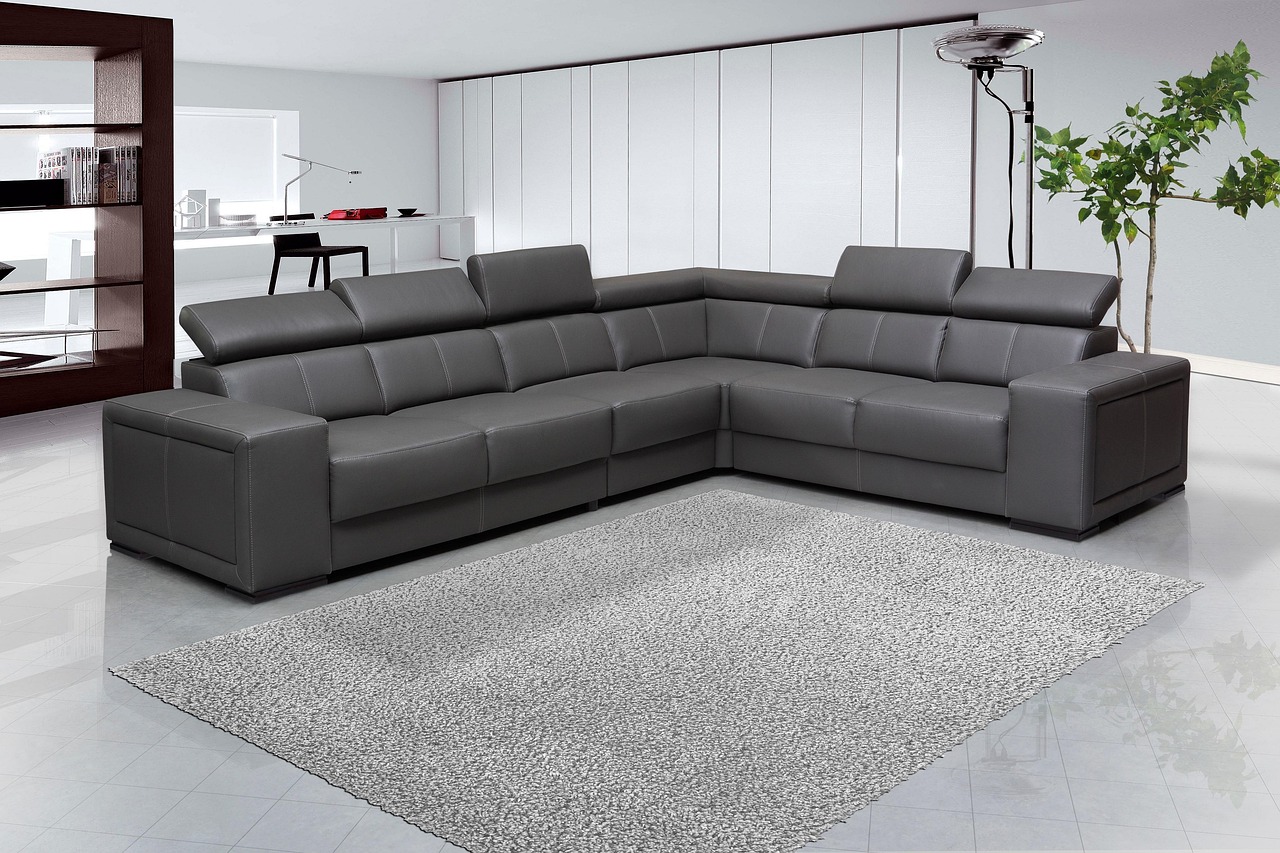
For sofa shopping, the most common faux leather terms are PU leather and PVC or vinyl. PU usually refers to a polyurethane-coated material and is often selected for a softer hand and a more leather-like drape. PVC or vinyl is generally associated with a tougher, more wipeable surface, although it may feel less breathable. The practical question is not which acronym sounds better, but whether the upholstery is suited to how the sofa will be used.
Do not assume every leather-look sofa is either genuine leather or faux leather. Bonded leather uses shredded leather fibers bonded with polyurethane or latex and then finished to look like leather, according to the Canadian consumer guide. Bi-cast leather starts with split leather and adds a polyurethane surface. Both may be sold near faux leather sofas, but their construction and long-term behavior can differ. (canada.ca)
| Label you may see | What it usually means | Buying implication |
|---|---|---|
| Faux leather | Man-made leather-look upholstery | Ask whether it is PU, PVC, vinyl, silicone-coated, or another coated material. |
| PU leather | Polyurethane surface over a backing, or in some contexts a coated split leather | Read the full material description, not just the short label. |
| Vinyl or PVC leather | Synthetic resin or plastic surface made to resemble leather | Often selected for cleanability, but check comfort and heat feel. |
| Bonded leather | Leather fibers bonded with a binder and finished to look like leather | Do not treat it as full leather; ask for the percentage and surface composition. |
| Leather match | Often leather on contact areas with matching synthetic material elsewhere | Inspect arms, outside backs, sides, and cushion panels for different materials. |
Where faux leather makes sense
A faux leather sofa makes the most sense when you want a consistent leather-look surface, easier spill response, and a more accessible price range. It can be practical in rental homes, multipurpose rooms, compact apartments, waiting areas, and households where food and drinks often reach the sofa. The smooth surface usually makes crumbs, pet hair, and everyday dust easier to remove than from deeply textured fabric.
It is also a reasonable option for buyers seeking an animal-free look, but the word vegan should still be read carefully. Some vegan leather is made from natural materials, but Canada’s Competition Bureau notes that vegan leather is more commonly made from synthetic materials such as plastic. If avoiding animal-derived components is a priority, ask the seller whether the upholstery, backing, adhesives, and trim are all free from animal materials rather than relying on the front-facing name alone. (canada.ca)
The tradeoff is that faux leather does not age like high-quality natural leather. It normally will not develop the same patina, and when a coated surface fails, the issue may appear as peeling, cracking, bubbling, or flaking rather than the gradual wear associated with some natural hides. This is why construction details and room conditions matter.
Where faux leather can disappoint
The most common disappointment is surface failure. A low-quality coating, weak backing, poor adhesion, or unsuitable care routine can cause peeling long before the sofa frame is worn out. Heat, direct sunlight, body oils, abrasive cleaners, and sharp claws can accelerate visible wear. A sofa placed near a sunny window, radiator, fireplace, or HVAC outlet is under more stress than the same sofa in a shaded, temperate room.
Comfort can also be a limitation. Some faux leather feels cool at first touch but warm or sticky after long sitting, especially in humid climates or rooms without good airflow. If you regularly nap on the sofa or sit through long movie nights, test the material with bare forearms, not just your hand. A surface that looks convincing in a showroom can still feel less breathable than fabric in everyday use.
Repairability is different from genuine leather as well. Small scuffs may be improved with a compatible repair kit, but widespread peeling is usually difficult to hide because the surface layer itself is failing. If the sofa is inexpensive and the upholstery fails, reupholstering may cost more than replacement. That does not make faux leather a poor choice; it means buyers should be realistic about expected service life.
The durability checklist before you buy
Start with the frame and suspension
Do not let the cover material distract from the structure. A durable faux leather sofa still needs a stable frame, well-supported seats, and cushions that return to shape. Look for clear information about frame material, corner blocking, joinery, suspension, and cushion construction. Kiln-dried hardwood, quality plywood, reinforced corners, sinuous springs, webbing systems, and high-resilience foam are more meaningful than vague claims such as premium comfort.
If the seller does not describe the frame, ask. If the sofa wobbles on the showroom floor, creaks when you shift weight, or has cushions that bottom out quickly, the upholstery choice will not rescue the purchase. A good cover on a weak frame is still a weak sofa.
Read abrasion ratings with context
Abrasion ratings can help, but they are not a complete prediction of lifespan. The Association for Contract Textiles warns that higher abrasion numbers do not necessarily mean a major extension of service life, and that a fabric with twice the abrasion cycles does not mean twice the life. ACT also notes that Wyzenbeek and Martindale tests measure flat abrasion and do not cover every real-world stress seen in upholstered use. (contracttextiles.org)
For a faux leather sofa, ask whether the listed abrasion rating applies to the exact upholstery on the sofa, not a similar sample. Also ask about hydrolysis resistance for PU materials if the sofa will be used in a warm or humid climate. Hydrolysis is a moisture-related degradation risk for some polyurethane coatings; a seller that understands coated upholstery should be able to provide more than a decorative color name.
Check flammability and law labels
In the United States, upholstered furniture is subject to federal flammability requirements under 16 C.F.R. part 1640. The U.S. Consumer Product Safety Commission says the standard is intended to reduce deaths and injuries associated with upholstered furniture fires and provides methods for smolder resistance of cover fabrics, barrier materials, resilient filling materials, and decking materials. The rule generally took effect on June 25, 2021, with labeling requirements effective on June 25, 2022. (cpsc.gov)
For shoppers, the practical step is simple: look for a permanent label, not just a hangtag. CPSC guidance says subject upholstered furniture must carry the statement “Complies with U.S. CPSC requirements for upholstered furniture flammability.” The agency also explains that the standard does not itself specify or prohibit flame-retardant chemicals, so the label confirms flammability compliance rather than a chemical-free claim. (cpsc.gov)
Ask what the foam certification covers
Many sofas use flexible polyurethane foam in the cushions. CertiPUR-US is a certification program for foam used in mattresses, sleep-related products, and upholstered furniture. The program says certified foams are made without formaldehyde, ozone depleters, phthalates regulated by the CPSC, mercury, lead, and other heavy metals, and that they meet low VOC emissions of less than 0.5 parts per million. (certipur.us)
This can be a useful signal, but understand its scope. A foam certification is not the same as a whole-sofa certification, and it does not tell you whether the faux leather cover will resist peeling. Treat it as one part of the evaluation, alongside the upholstery specification, frame, suspension, warranty, and seller transparency.
Comfort, size, and layout details to verify
Before comparing colors, measure the room, doorways, stair turns, elevator, and the intended wall or rug area. A sofa that is technically the right width can still feel wrong if the arms are too bulky, the back is too low, or the chaise blocks a walkway. For small spaces, arm thickness and leg height deserve close attention because slimmer arms and visible legs often make the same seating capacity feel lighter.
Seat depth changes how the sofa feels. A shallower seat supports upright conversation and reading, while a deeper seat favors lounging. Seat height matters for older adults, taller users, and anyone who dislikes sinking into low furniture. If possible, sit on the sofa for several minutes rather than judging comfort from a quick showroom test.
Color also affects long-term satisfaction. Black and espresso faux leather hide many stains but can show dust and pet hair. White, ivory, and pale gray look clean in photos but may show dye transfer from denim or dark throws. Warm browns and cognac tones often soften modern rooms, while embossed grain and shine level can make the difference between a refined look and an obviously synthetic finish.
How to care for a faux leather sofa
Care should be gentle and consistent. Dust or vacuum with a soft brush attachment, wipe spills quickly, and use a lightly damp microfiber cloth for routine cleaning. When soap is needed, choose a mild solution and test it in a hidden area first. Avoid soaking seams because liquid can reach the backing and weaken adhesives or padding.
Do not use bleach, ammonia, alcohol-heavy cleaners, abrasive pads, or strong solvents unless the manufacturer specifically approves them for that exact upholstery. These products can strip finishes, dull the surface, or accelerate cracking. Traditional leather conditioners are not automatically suitable for faux leather because the surface is usually a coating, not absorbent hide.
Protect the sofa from direct sun and heat. Use curtains or UV-filtering window treatments in bright rooms, keep the sofa away from radiators and fireplaces, and avoid placing laptops or hot items directly on the surface. Rotate removable cushions if the design allows, and use washable throws in high-contact areas if pets, children, or frequent snacking are part of daily life.
Faux leather versus fabric and genuine leather
| Option | Best fit | Main advantage | Main caution |
|---|---|---|---|
| Faux leather | Buyers wanting a leather look with easier wipe-down care | Consistent finish, lower price range, animal-free appearance | Can peel or crack if the coating, care, or room conditions are poor |
| Genuine leather | Buyers who want natural aging and are comfortable with leather maintenance | Can develop patina and often feels more breathable | Higher cost and quality varies widely by leather type and finish |
| Performance fabric | Families wanting softer texture, breathability, and many color choices | Comfortable feel and broad stain-resistant options | Hair, crumbs, and spills may require more frequent cleaning |
| Bonded leather | Budget shoppers who understand the material limits | Leather-like surface at a lower price | Not the same as full or top-grain leather and should be clearly described |
From a buying perspective, faux leather is strongest when the goal is practical style rather than heirloom longevity. It can be the right choice when the sofa may be replaced as tastes, rentals, or household needs change. If you are buying one sofa for a decade of heavy daily use, compare a high-quality performance fabric and a well-specified leather sofa before deciding.
Questions to ask before checkout
- What is the exact upholstery composition: PU, PVC, vinyl, bonded leather, leather match, or another material?
- Is the same material used on the seats, arms, inside back, outside back, and sides?
- What is the backing fabric, and is there a test report for abrasion, colorfastness, or hydrolysis resistance?
- What frame material, suspension system, and cushion foam are used?
- Does the sofa have the required permanent U.S. flammability compliance label?
- What does the warranty exclude, especially for peeling, cracking, seam failure, and dye transfer?
- Which cleaners are approved, and which products void the warranty?
- Can replacement cushions, legs, or covers be ordered later?
Frequently asked questions
Does every faux leather sofa peel?
No. Peeling is a risk, not a certainty. It is more likely when the coating is low quality, the backing is weak, the room is hot or sunny, or harsh cleaners are used. Better specifications, careful placement, and gentle maintenance can reduce the risk, although they cannot make faux leather behave exactly like natural leather.
Is PU leather better than PVC leather for a sofa?
Neither is automatically better for every home. PU is often chosen for a softer feel and more leather-like appearance, while PVC or vinyl may be selected for wipeability and tougher surface use. For a living-room sofa, compare the actual hand feel, test data, backing, warranty, and care instructions rather than choosing by abbreviation alone.
Is faux leather the same as vegan leather?
Not always. Faux leather is usually a leather-look synthetic material. Vegan leather means the material is not animal skin, but it may be made from synthetic plastic or from plant-based inputs depending on the product. If vegan sourcing is important, ask for written material details.
Can a faux leather sofa be repaired?
Small scratches, edge scuffs, or minor color loss may be improved with a compatible repair product. Large peeling areas are harder because the surface coating has separated or failed. Before attempting repair, check the warranty and test any product in a hidden spot.
What is the simplest way to make a faux leather sofa last longer?
Keep it clean, shaded, and away from heat. Wipe spills promptly, avoid aggressive cleaners, protect high-contact areas from body oils and pet claws, and follow the manufacturer’s care instructions. Good placement and gentle cleaning often matter as much as the material name.